

حجم البول المتبقي بعد التبول: نقطة التحقق الفاصلة في خلل التفريغ
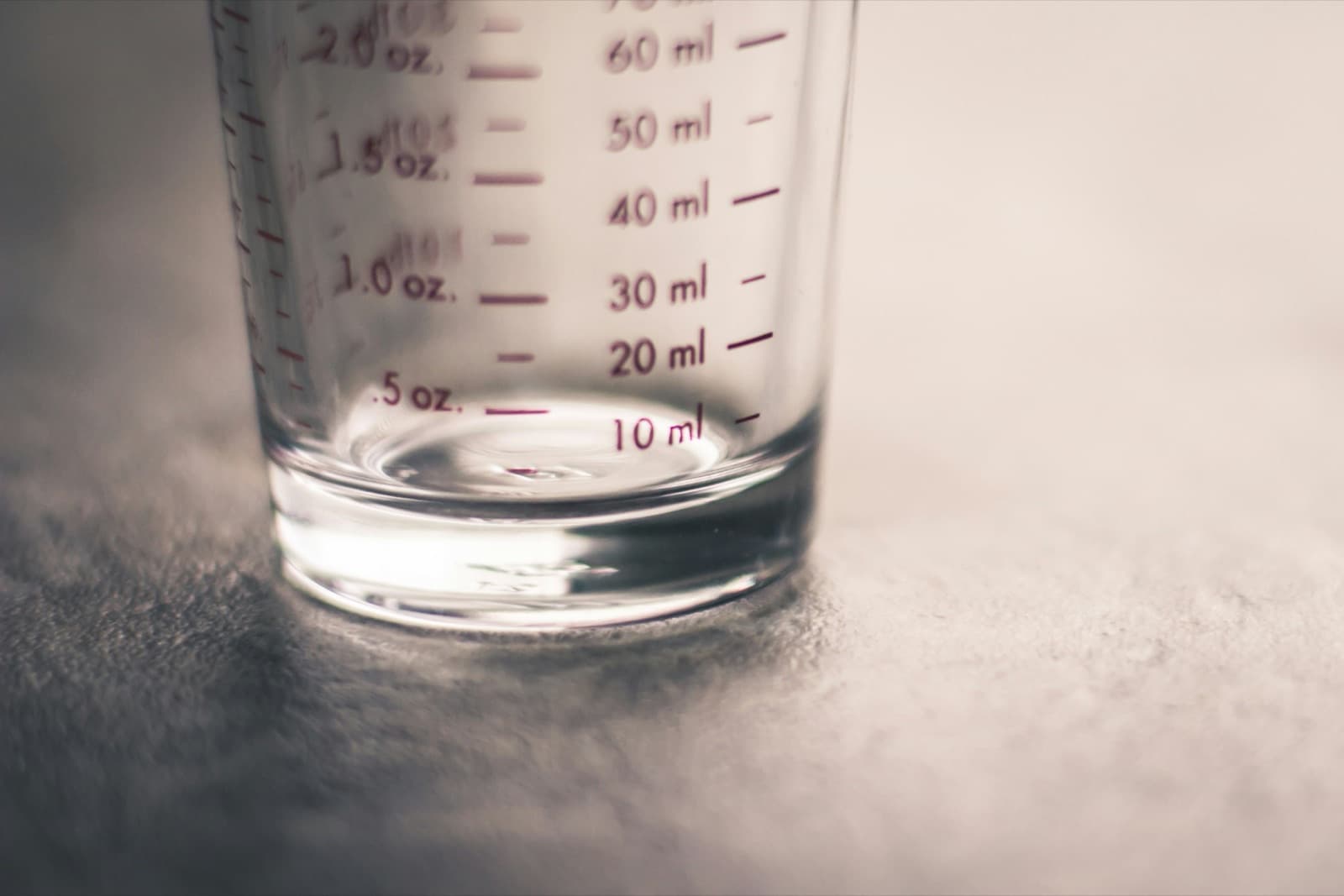
حجم البول المتبقي بعد التبول هو حجم البول الذي يبقى في المثانة فور إتمام تبول إرادي. والحد الفاصل في الممارسة السريرية لـ IPC هو <100 mL طبيعي، و100 إلى 300 mL غير محدّد ويستحق التحقيق، و>300 mL احتباس بولي ذو دلالة سريرية يستوجب الإحالة إلى طب المسالك البولية. وPVR هو التشخيص المنفرد الذي يفصل بين خلل محور التخزين وخلل محور التفريغ في إطار IPC 4Is الوظيفي، وهو الاختبار الذي يُعيد تنظيم التشخيص التفريقي، أكثر من أي اختبار آخر في تقييم المثانة.
تشرع امرأة في الثامنة والخمسين من العمر في برنامج لتقوية قاع الحوض مدته 8 أسابيع، بناءً على ما سُجِّل لديها على أنه سلس بولي إجهادي. وبعد ستة أسابيع تعود في حالة أسوأ، لا أحسن. إلحاح جديد. تواتر نهاري جديد. إحساس جديد بالامتلاء يستعصي عليها تفسيره. يَشُكّ المعالج الفيزيائي المعالِج في أن برنامج التقوية قد أخفق، فيُجري فحصاً لمثانتها بالموجات فوق الصوتية. تعود قيمة حجم البول المتبقي بعد التبول عند 280 mL. لم يكن التسرّب يوماً سلساً إجهادياً، بل كان فيضاناً. وكان برنامج كيجل يُفاقم المشكلة الكامنة.
هذه هي الخطوة التي يستدعيها حجم البول المتبقي بعد التبول في أي تقييم للمثانة يأخذ إطار 4Is على محمل الجد: قراءة PVR قبل الالتزام بمحور علاجي بعينه. الخلط بين خلل محور التفريغ وخلل محور التخزين، أو العكس، هو النمط الأكثر شيوعاً في إنتاج الحالات المتعثرة في ممارسة صحة الحوض. PVR هو الاختبار الذي يقي من هذه القراءة الخاطئة. تصف كل من Cleveland Clinic وStatPearls والأدبيات البولية طريقة قياسه (Asimakopoulos et al, Neurourology and Urodynamics 2016). يستعرض هذا المقال كيف يوظّف الطبيب السريري عند سرير المريض، ولا سيما المعالج الفيزيائي لقاع الحوض أو طبيب الرعاية الأولية أو الممارس السريري المتقدم الذي يلتقي بالمريض أولاً، نتيجة الفحص في تحديد الخطوة التالية.
لماذا يُعدّ حجم البول المتبقي بعد التبول حجر الزاوية في تقييم المثانة
تبدو أعراض المثانة، ولا سيما حالات الإلحاح والتواتر التي تستأثر بمعظم زيارات LUTS، متطابقة من الكرسي المقابل للمكتب. تساعد اليوميات. تساعد درجة الأعراض. غير أن أياً منهما لا يُخبرك ما إذا كانت المشكلة عجز المثانة عن الاحتباس (خلل التخزين) أم عجزها عن التفريغ (خلل التفريغ). يستوجب هذان الفرعان من إطار 4Is مسارين علاجيين متعاكسين. تنفع الأدوية المضادة للكولين في التخزين، وقد تكون كارثية في التفريغ. تنفع تقوية قاع الحوض في التخزين، وقد تدفع مثانة مصابة بخلل التفريغ إلى احتباس صريح. تنفع الجراحة الموجهة إلى انسداد المخرج في خلل التفريغ الميكانيكي، وقد تُفاقم خلل التفريغ الناجم عن قصور نشاط العضلة النافصة.
يُعدّ PVR نقطة التحقق الفاصلة. السبيل الوحيد لتشخيص خلل التفريغ في هذا الإطار هو حجم بول متبقٍ بعد التبول يفوق 100 mL. لا تستطيع اليوميات وحدها، مهما أُحسن تسجيلها، أن تُجري هذا التحديد. ولا تستطيع درجة الأعراض وحدها أن تُجري هذا التحديد. ولا يستطيعان مجتمعَين أن يُجريا هذا التحديد. PVR هو التشخيص المنفرد لمحور التفريغ، وهذا الدور الفريد هو ما يُبوّئه قمة هرم التقييم هنا، بدلاً من أن يكون تشخيصاً واحداً بين تشخيصات عدة.
قاعدة القرار: يبدأ التقييم الكامل للمثانة باليوميات أولاً لقراءة النمط الحجمي، ثم بـ PVR لتأكيد الفصل بين التخزين والتفريغ. كلاهما غير غازٍ، وكلاهما زهيد التكلفة، ويمكن إجراؤهما في أي عيادة لقاع الحوض أو الرعاية الأولية تتوافر فيها ماسحة مثانية محمولة.
حجم البول المتبقي بعد التبول الطبيعي مقابل غير الطبيعي: ما تعنيه الحدود الفاصلة فعلاً
تتكرر في الأدبيات خمس عتبات، وليست جميعها على القدر نفسه من الوزن السريري.
| حجم PVR | التفسير عند البالغين | الإجراء السريري لـ IPC |
|---|---|---|
| <50 mL | طبيعي عبر جميع مصادر التوافق | طمأنة؛ استبعاد محور التفريغ |
| 50 إلى 100 mL | طبيعي في الممارسة السريرية؛ "حدودي" في بعض الأبحاث | إعادة القياس؛ ربطه بالأعراض |
| 100 إلى 200 mL | غير محدد، يتفاوت بحسب المريض | التحقيق في السبب؛ ربطه باليوميات |
| 200 إلى 300 mL | تفريغ غير كافٍ | البحث عن السبب؛ التفكير في الإحالة |
| >300 mL | احتباس ذو دلالة سريرية | إحالة إلى طب المسالك البولية |
| >400 mL | احتباس بولي صريح | إحالة إلى طب المسالك البولية، التفكير في القسطرة |
| >1,500 mL مُصرّفة | احتباس شديد | المراقبة لإدرار البول التالي للانسداد |
حين يُفرَّغ حجم كبير جداً من البول المحتبس بعد رفع انسداد ملحوظ في مخرج المثانة، قد يتحول إدرار البول التالي للانسداد إلى حالة مرضية (Halbgewachs and Domes, Canadian Family Physician 2015).
تكتسب المباينة بين عتبة <50 mL في أدبيات الأبحاث وعتبة <100 mL في الممارسة السريرية أهميتها؛ ويبقى التوافق على ما يُعدّ بقايا ذات دلالة سريرية معروفاً بفضفاضيته (Asimakopoulos et al, Neurourology and Urodynamics 2016).
تضع الدراسات العتبة عند أقل من 50 mL. أما في الممارسة السريرية فنعتمد أقل من 100 mL، ونعدّ كل قيمة تتجاوز 300 mL خطرة. تستوعب العتبة السريرية تباين القياس (التوقيت، معايرة جهاز المسح، حالة ترطيب المريض)، وهو ما لا تستوعبه عتبة الأبحاث. لا يمكن وظيفياً تمييز قراءة 60 mL على ماسحة محمولة بعد مرور 15 دقيقة على التبول من قراءة 40 mL بعد 5 دقائق؛ ومعاملة الأولى على أنها غير طبيعية والثانية على أنها طبيعية إنما هي اصطناع قياسي لا واقع سريري.
يرفع العمر العتبة. يحمل البالغون الأكبر سناً قيم PVR أعلى عند الأساس مع تراجع انقباضية العضلة النافصة وتبدّل تنسيق قاع الحوض (Shimoni et al, American Journal of Medicine 2015).
يستدعي PVR بقيمة 120 mL لدى مريض في الـ 45 من العمر قلقاً أكبر من القيمة ذاتها لدى مريض في الـ 82 من العمر. أما عتبات الأطفال فأدنى بكثير: يُعدّ >20 mL بوجه عام غير طبيعي لدى الأطفال الأصحاء (Chang and Yang, Journal of Urology 2009).
وفي ردٍّ مباشر على سؤال People-Also-Ask: تُعدّ قيمة PVR قدرها 40 mL طبيعية بحسب جميع مصادر التوافق. أما قيمة 200 mL لدى البالغ فليست كارثية، غير أنها ليست بلا أهمية أيضاً؛ هي العتبة التي تتحول عندها الحالة من الطمأنة إلى التحقيق الفعّال.
العتبات الوظيفية: ما الذي يُغيّره الرقم في العلاج
تُوزّع العتبات أعلاه المرضى على نطاقات تشخيصية، غير أن المعالج الفيزيائي لقاع الحوض يقرأ PVR أيضاً بوصفه رافعةً علاجية، والأرقام التي تحكم التدبير ليست هي ذاتها التي تَصِم نتيجةً بأنها غير طبيعية. فالبقايا دون 50 mL مطمئنة. ودون 100 mL مقبولة على نطاق واسع، ولا سيما لدى البالغين الأكبر سناً، ولن يتخذ كثير من أطباء المسالك البولية أي إجراء حيال قراءة تقع في نطاق 50 إلى 100 mL البتة. أما فوق 100 mL فهي العتبة العملية لتشخيص خلل التفريغ، وهنا يتفق المنطق التشخيصي والمنطق العلاجي. وعند مريض في احتباس يخضع أصلاً للقسطرة المتقطّعة، يحكم الفطامَ رقم آخر: PVR دون 300 mL ينطوي على خطر إنتاني منخفض، وهو العتبة لسحب القسطرة النهارية مع الإبقاء على الليلية، والبقايا نفسها هي المقياس الذي ينبغي أن يوجّه بروتوكول القسطرة المتقطّعة بدلاً من جدول زمني ثابت (Malde et al, Neurourology and Urodynamics 2024). والرافعة التي تخفض البقايا تحفظية قبل كل شيء: تجميع شرب السوائل للحصول على ناتج متوقَّع، مقروناً بجهد تبوّلي متعمَّد قبل القسطرة، مع تبول تلقائي يبلغ نحو 150 mL يُؤذِن بعودة انقباض حقيقي للعضلة النافصة. وهذا التبول التلقائي البالغ 150 mL هو المَعلَم الجدير بأن يُدرَّب المريض على بلوغه، لأنه يدلّ على أن المضخة عادت تؤدي عملاً فعلياً بدلاً من أن تقوم القسطرة بكل شيء.
كيف يُقاس حجم البول المتبقي بعد التبول، وكيف يُقاس قياساً خاطئاً
ثلاث طرق، مرتّبة تنازلياً بحسب تواتر استعمالها في الممارسة الخارجية الحديثة.
الماسحة المثانية المحمولة. جهاز موجات فوق صوتية محمول مُصمَّم خصيصاً لتقدير حجم المثانة. تضغط الزر، وتحصل على الرقم. غير غازٍ، غير مؤلم، يستغرق نحو 45 ثانية لكل قياس، ولا ينطوي على خطر التهاب المسالك البولية أو إصابة الإحليل. وهي الطريقة المهيمنة بوصفها خطاً أول في أي عيادة تتوفر فيها المعدات. الدقة جيدة، وإن لم تبلغ دقة القسطرة. تحدث النتائج الإيجابية الكاذبة في حالات الاستسقاء، وكيسات المبيض، والأورام الليفية الرحمية، والندبات البطنية الشديدة، والحمل المتأخر، والهبوط الحوضي الكبير (Kim et al, Annals of Rehabilitation Medicine 2017).
التصوير المثاني الرسمي بالموجات فوق الصوتية. يُجرى إما عبر البطن أو عبر المهبل، ويُحسب وفق صيغة الإهليلج المطوّل الطول × العرض × الارتفاع × 0.52. أكثر دقة قليلاً من الماسحة المحمولة في الأحجام المنخفضة، ولا سيما عبر النهج المهبلي لدى النساء. يستلزم فني موجات فوق صوتية مدرّباً وتجهيزات غرفة موجات فوق صوتية رسمية، ولذلك يُحجز عادةً للحالات التي تكون فيها قراءات الماسحة غامضة.
القسطرة الإحليلية. المعيار الذهبي تاريخياً. تُدخل قسطرة مستقيمة من قياس 14 أو 16 فرنش، فتُفرَّغ المثانة ويُقاس الحجم مباشرةً. وهي الأكثر دقة، غير أنها غازية. تنطوي على خطر صغير لكنه حقيقي للإصابة بعدوى المسالك البولية، بانتشار يبلغ نحو 2 % بحسب ما أُبلغ عنه في الفئات الجراحية المدروسة، يرتفع ارتفاعاً حاداً مع طول مدة وضع القسطرة (Karp et al, Female Pelvic Medicine and Reconstructive Surgery 2018)، إضافةً إلى خطر غير صفري لإصابة الإحليل.
وهي محجوزة اليوم للحالات التي لا يتوفر فيها التصوير بالموجات فوق الصوتية، أو التي يتعذّر فيها مسح المريض (استسقاء كبير، حمل متأخر)، أو التي تستلزم في الوقت نفسه أخذ عينة بول.
يتصدّر التوقيت أخطاء القياس شيوعاً. يرتفع PVR ارتفاعاً قابلاً للقياس بين الدقيقة 5 والدقيقة 30 بعد التبول مع استمرار الكليتين في إنتاج البول، فيتضخّم بذلك ناتج القياس المتأخر. ويذهب توافق ICS-RS إلى أن الفترة الفاصلة بين التبول وقياس PVR ينبغي أن تكون قصيرة المدى، إذ تُفضي الفترات الأطول إلى تقدير زائد ذي دلالة سريرية (Asimakopoulos et al, Neurourology and Urodynamics 2016).
قد يكون PVR بقيمة 200 mL يُؤخذ بعد 25 دقيقة ممثلاً في حقيقته لـ PVR حقيقي مقداره 120 mL يُضاف إليه 80 mL من إنتاج كلوي لاحق. الحل إجرائي: امسح المريض فوراً، ولا تدعه يجلس في غرفة الانتظار بين التبول والمسح.
ثاني أكثر الأخطاء شيوعاً يعتمد على المُشغّل: تحتاج الماسحة إلى توسيط المثانة في مجالها. والمسح غير المركّز يبخس المثانات الكبيرة قدرها ويُبالغ في تقدير الصغيرة منها. أعد المسح متى تعذّر توافق القراءة الأولى مع نمط حجم التبول في اليوميات.
تحذير: قياس PVR الفرد لقطة من سلوك المثانة في لحظة بعينها. التباين من يوم إلى آخر حقيقي وموثّق توثيقاً جيداً؛ ولا يمكن تحديد PVR تحديداً موثوقاً من قياس واحد (Dunsmuir et al, British Journal of Urology 1996). PVR الحدودي (
100 إلى 200 mL) في قراءة منفردة يستوجب قياساً متكرراً قبل أي إجراء سريري.
قراءة يوميات المثانة لاستشفاف PVR قبل المسح
كثيراً ما يكشف مخطط التردد والحجم لمدة 3 أيام بصمة PVR قبل أن تُلتقط الماسحة أصلاً. وتتنبأ ثلاثة أنماط في اليوميات بارتفاع PVR بنوعية موثوقة في ممارسة صحة الحوض.
التواتر مع أحجام تبول فردية منخفضة. مريض يتبول 10 مرات يومياً، بإجمالي حجم تبول لمدة 24 ساعة قدره 1,400 mL، ومتوسط حجم تبول قدره 140 mL. تُقرأ كثرة التبولات وحدها على أنها فرط نشاط المثانة (OAB). غير أن عمود حجم التبول يروي قصة مغايرة: يتبول المريض حجوماً قليلة لأن المثانة لا تستطيع التفريغ بالكامل، فتمتلئ سريعاً وتُرسل الإشارة بسرعة. هذا تفريغ غير مكتمل يتجلى في صورة إلحاح بولي.
ترميز التفريغ المزدوج. حين يُغادر المريض المرحاض، ثم يعود في غضون خمس إلى عشر دقائق فيُنتج تبولاً ثانياً صغيراً، تُقرأ مدخلة اليوميات على هيئة "100 + 60". ويستخدم ترميز IPC علامة الزائد لتسجيل التفريغ المزدوج. ويُعدّ تكرار علامات الزائد عبر اليوميات، ولا سيما في عمود الصباح حين يتراكم البول الليلي، مؤشراً قوياً على PVR مرتفع ذي دلالة. وتُظهر حالة Samuel R. من مكتبة IPC هذه البصمة بوضوح: نمط يومي من تفريغ غير مكتمل، يُغادر فيه المريض المرحاض ظاناً أن التبول قد انتهى، ثم يعود في غضون دقائق ليُنتج تبولاً صغيراً آخر.
خانة "التفريغ غير المكتمل". تتضمّن معظم نماذج يوميات المثانة المُحكَمة التصميم عموداً يُسجّل فيه المريض إحساسه بعدم اكتمال التفريغ بعد كل تبول. ويرتبط هذا الإحساس ارتباطاً إيجابياً بقيمة PVR المُقاسة، خصوصاً لدى النساء في جميع الفئات العمرية ولدى الرجال فوق الستين (Özlülerden et al, Investigative and Clinical Urology 2018). ويُمثّل تكرار علامات التفريغ غير المكتمل عبر يوميات مدتها 3 أيام إشارة مفيدة قبل المسح.
ولُبّ الأمر: الأطباء السريريون الذين لا تتاح لهم ماسحة محمولة لا يعملون في الظلام. فاليوميات نفسها تستدلّ على المرضى الذين يستوجبون المسح، ونتيجة المسح نادراً ما تفاجئ طبيباً سريرياً قرأ اليوميات أولاً. لقراءة اليوميات نفسها، انظر تفسير يوميات المثانة، وللطبقة الحجمية التي تُنتج الأرقام لكل تبول، انظر مخطط التردد والحجم.
أسباب ارتفاع حجم البول المتبقي بعد التبول، منظَّمةً بحسب آليات 4Is
تُعدّ قائمة الأسباب القياسية (التي تبلغ في StatPearls عشرات الإدخالات موزّعة على الفئات العصبية المنشأ والميكانيكية والدوائية والإنتانية والخِلقية والتشريحية) شاملةً ومفيدةً مرجعياً. أما للقراءة عند سرير المريض، فتُغطّي أربع فئات آليّة كلَّ حالة تقريباً سيلتقي بها الطبيب السريري لقاع الحوض أو طبيب الرعاية الأولية.
انسداد ميكانيكي للمخرج. يُعدّ تضخّم البروستات الحميد إلى حد بعيد السبب الأكثر شيوعاً لدى الرجال الأكبر سناً. ويُكمل بقية هذه الفئة تضيّقُ الإحليل، والهبوط الحوضي الكبير الضاغط على الإحليل، والحصوات والأورام المثانية الكبيرة. مضخة المثانة سليمة، والمخرج يقاوم. ويستهدف العلاج الانسداد.
عصبي المنشأ. يندرج اعتلال الأعصاب الذاتي السكري ضمن أكثر المُسهمين العصبيي المنشأ شيوعاً لدى عموم البالغين، إذ تتفوّق المضاعفات البولية التناسلية في الانتشار على اعتلال الأعصاب واعتلال الكلى لدى المصابين بالسكري (Agochukwu-Mmonu et al, Autonomic Neuroscience 2020). ويُكمل بقية القائمة التصلبُ المتعدّد، ومتلازمة ذيل الفرس، وفقدان التعصيب التالي لجراحات الحوض، وأمراض النخاع الشوكي. مضخة المثانة هنا تعجز عن تلقّي الإشارة أو تنفيذها. ويعتمد العلاج على المنشأ العصبي.
قصور نشاط العضلة النافصة (DU). المضخة سليمة، والإشارة تصل، غير أن الانقباض لا يولّد قوة كافية ولا يدوم طويلاً بما يكفي لتفريغ المثانة. غالباً مجهول السبب، وغالباً مرتبط بالعمر، وغالباً ما يكون النمط المتبقّي بعد سنوات من انسداد مخرج المثانة من دون علاج. والمثانة الناقصة النشاط ليست دائماً مثانة ضعيفة؛ فبعض المرضى يولّدون انقباضاً قوياً قصير الأمد ينقطع فجأةً ويستجرّ تبولاً ثانياً. وDU غير متجانس في نمطه الظاهري.
علاجي المنشأ ومُحَرَّض دوائياً. تُسهم مضادات الكولين (الأوكسيبوتينين، التولتيرودين، أدوية OAB الأقدم)، والمسكنات الأفيونية والمخدّرات، ومضادات الهيستامين ذات النشاط المضاد للكولين، ومزيلات الاحتقان ألفا-الأدرينرجية، ومضادات الاكتئاب ثلاثية الحلقات، وبعض الأدوية المضادة للمُسكارين، إسهاماً مشتركاً في خفض انقباضية العضلة النافصة أو في إضعاف تنسيق المثانة (Verhamme et al, Drug Safety 2008). وأما الاحتباس البولي بعد الجراحة الناجم عن التخدير، أو وذمة قاع الحوض، أو أنظمة المسكنات، فهو النظير الذي يظهر لدى المرضى المُنوَّمين. وتبقى هذه الفئة قابلة للعكس بسحب الأدوية أو بمرور الوقت، وهي الفئة التي تفوت، على نحو حاسم، متى أُغفلت مراجعة قائمة الأدوية.
وتنبع أهمية هذه الإعادة التنظيمية من أن المسار العلاجي يعتمد على الفئة التي يقع فيها المريض، وأن ترتيب قائمة الأسباب القياسي لا يُبرز هذا القرار. PVR بقيمة 300 mL الناجم عن BPH يُحال إلى طب المسالك البولية لتقييم المخرج. وPVR بقيمة 300 mL الناجم عن اعتلال المثانة السكري يُحال إلى تحسين الضبط الغدّي الصمّاوي، والتبول المُجدول، والتدريب على القسطرة الذاتية. وPVR بقيمة 300 mL الناجم عن DU مجهول السبب يُحال إلى الإدارة السلوكية، وربما إلى القسطرة الذاتية المتقطّعة. وPVR بقيمة 300 mL الناجم عن وصفة المسكنات الأفيونية يُحال إلى مراجعة الأدوية. الرقم ذاته، وأربعة مسارات سريرية متباينة.
حين يكون PVR المرتفع سلساً فيضانياً متنكّراً
التعليم المعاكس للحدس الذي يُفسّر التشخيص الخاطئ: السلس والاحتباس ليسا ظاهرتين متعاكستين، بل قد يكونان الظاهرة نفسها. وليس كل سلس بولي يستدعي علاجاً فورياً للتسرب. ففي بعض الحالات يحمي الجسم المثانة من الفشل: المريض يعجز عن التبول السليم، والتسرب هو صمام الأمان الذي يلجأ إليه الجسم متى تجاوز الضغط ما يستطيع إغلاق الإحليل احتواءه.
أما الفسيولوجيا: حين يتجاوز ضغط المثانة مقاومة الإحليل بفعل التمدّد المزمن المُفرط، يتسرب البول باستمرار أو في دفعات صغيرة. ويختبر المريض التسرب، ومن البديهي أنه يُبلّغ عنه بوصفه سلساً. فيُسجّل الطبيب السريري سلساً بولياً ويُحيل إلى مسار علاج السلس القياسي. غير أن هذا المسار، ولا سيما الأدوية المضادة للكولين الموجَّهة إلى تهدئة نشاط العضلة النافصة، يُفاقم المشكلة الكامنة: إذ يخفض القوة الانقباضية القليلة التي تولّدها المثانة، ويزيد الاحتباس، ويُكثّف التسرب الفيضاني الذي جاء المريض من أجله أصلاً.
PVR هو الاختبار الذي يكشف هذا التضليل. فالمريض الذي يُعاني من السلس مع PVR >200 mL يُصنَّف في فئة الفيضان حتى يثبت العكس. وينقلب عندئذٍ المسار العلاجي: تبول مُجدول، وربما قسطرة ذاتية متقطّعة، وسحب أي مضاد للكولين من قائمة الأدوية، وإحالة إلى طب المسالك البولية لتقييم المخرج. لا شيء من ذلك يندرج في المسار القياسي للسلس، وتفويته يُنتج مرضى يتدهورون تدريجياً تحت ما يبدو ظاهرياً رعايةً متوافقةً مع الإرشادات.
رؤية أساسية: السلس والاحتباس قد يكونان الظاهرة نفسها. يُسرّب الجسم لتخفيف عبء مثانة عاجزة عن التفريغ. ويلتقط PVR هذا التضليل قبل أن يُفاقمه المسار القياسي للسلس.
التحذير المتعلق بتمارين كيجل: متى تُفاقم تقوية قاع الحوض حالة PVR
هذه أهم لؤلؤة تعاون مع المعالج الفيزيائي في تقييم PVR، وهي اللؤلؤة الغائبة عن جميع المقالات الموجَّهة إلى المرضى عن PVR ذات الترتيب الأعلى. فوصف تمارين تقوية قاع الحوض دون فحص PVR مسبق قد يُفاقم حالة المرضى المصابين بقصور نشاط المثانة، بل قد يدفعهم في أسوأ الأحوال إلى احتباس بولي صريح. وحالة المرأة في الثامنة والخمسين الواردة في افتتاحية هذا المقال تنطبق على هذا النمط تماماً: تشخيص سلس إجهادي، وبرنامج كيجل، ولا فحصَ PVR، وبعد ستة أسابيع صورة احتباس بقيمة 280 mL كان البرنامج يُفاقمها.
أما الآلية: تستهدف برامج تقوية قاع الحوض جهاز إغلاق الإحليل. وفي السلس البولي الإجهادي يكون هذا هو الهدف الصحيح. أما في خلل التفريغ الناجم عن قصور نشاط العضلة النافصة، فقاع الحوض والمصرّة الإحليلية الخارجية ليسا موضع المشكلة. ومن ثمّ فإن تقويتهما تُضيف مقاومةً إلى منظومة تعجز أصلاً عن التغلب على المقاومة القائمة. والمثانة التي تُعاني أصلاً من ضعف الانقباض، باتت مضطرة إلى التغلب على إغلاق إحليلي أكثر إحكاماً لتُتمّ التبول. فيرتفع PVR، ويسوء الاحتباس، ويظهر إلحاح بولي جديد مع إطلاق المثانة المتمدّدة لإشارات غير مناسبة.
أما سير العمل السريري الذي يُمليه ذلك على المعالج الفيزيائي لقاع الحوض، فهو: لا تشرع البتة في برنامج تقوية للسلس قبل فحص PVR. وPVR >100 mL ينبغي أن يُعيد توجيه الحالة إلى عمل التنسيق والاسترخاء بدلاً من التقوية، وإلى مراجعة اليوميات بحثاً عن نمط محور التفريغ. وPVR >200 mL يستوجب استشارة طب المسالك البولية قبل تصعيد أي برنامج لقاع الحوض. وتكلفة الخطأ في ذلك هي احتباس علاجي المنشأ لدى مريض جاء بشكوى تسرب.
قاعدة القرار: PVR قبل تقوية قاع الحوض. دائماً.
نمط النتيجتين: السكري مع آلام أسفل الظهر المزمنة
لؤلؤة محدّدة لتقسيم طبقات المخاطر، جديرة بالتعليم في كل مستوى من فريق الرعاية. اجتماع السكري وآلام أسفل الظهر المزمنة هو، بحسب خبرتنا السريرية، النمط التنبّؤي الأكثر شيوعاً لقصور نشاط المثانة. وكل من النتيجتين منفردةً يُثير الشك. وحين تجتمعان، فإنهما تستوجبان فحص PVR قبل أي التزام علاجي.
أما الفسيولوجيا فثنائية الضربة: يُسبّب السكري اعتلال الأعصاب الذاتي الذي يُضعف إحساس العضلة النافصة وانقباضيتها، فيما تُضعف أمراض أسفل الظهر المزمنة (داء الفقار، تضيّق القناة الشوكية، الانزلاق الغضروفي الضاغط على جذور الأعصاب العجزية) التدفّقَ نظير الودّي الذي يقود انقباض العضلة النافصة. وكل منهما منفرداً قادر على إحداث قصور نشاط العضلة النافصة. أما اجتماعهما فيرفع بشكل ملحوظ الاحتمالية ما قبل الاختبار بأن صورة LUTS الماثلة أمامك خلل تفريغ لا خلل تخزين.
من الناحية العملية: متى كشفت مقابلة الاستقبال عن سكري مع آلام مزمنة في الظهر، ينبغي أن يبدأ التقييم بـ PVR قبل أي التزام علاجي. كما يُمثّل نمط السكري-مع-آلام-الظهر إشارةً إلى استبعاد متلازمة ذيل الفرس بفحص عصبي مُركَّز (تخدير السرج، ردود الأطراف السفلية، احتباس البول) قبل استكمال التقييم (Todd, British Journal of Neurosurgery 2017).
علامة شكل المثانة في POCUS
لؤلؤة بصرية مستقاة من تصوير نقطة الرعاية بالموجات فوق الصوتية (POCUS)، تستغرق نحو 15 ثانية لاكتسابها وتُقرأ فوراً. تبدو المثانة البالغة الطبيعية، حين تُرى بالموجات فوق الصوتية عبر البطن، كرويةً تقريباً عند الامتلاء، وبيضويةً عند الامتلاء الجزئي. أما في قصور نشاط العضلة النافصة المزمن، فتُعيد المثانة تشكيل نفسها: تستطيل عمودياً، ويرقّ جدارها، فيصير المحيط طويلاً وضيقاً على نحو لافت لا مستديراً. وتكون المثانة "الطويلة" قد أعادت تشكيل نفسها على وقع سنوات من التمدّد المزمن القاعدي.
هذا الاختلاف في الشكل يُتعرَّف عليه قبل قراءة رقم الحجم. ومع كون POCUS اليوم تجهيزاً قياسياً في عيادات الرعاية الأولية وصحة المرأة وقاع الحوض، يستحق هذا النمط أن يُعلَّم لكل طبيب سريري يمسح المثانة.
تُكمّل علامة الشكل رقمَ الحجم. فـ PVR بقيمة 220 mL في مثانة مستديرة نتيجة تختلف عن PVR بقيمة 220 mL في مثانة طويلة ضيّقة. والشكل يُشير إلى المزمنية.
متى يقود PVR إلى الجراحة، ومتى تُفاقم الجراحة حالة PVR
أهم القرارات تأثيراً التي يقودها PVR في LUTS الذكوري هو قرار جراحة BPH. فـ PVR >300 mL لدى رجل مصاب بانسداد المخرج البروستاتي إشارة قوية إلى التخفيف الجراحي: TURP، أو رفع الإحليل البروستاتي، أو أحد الخيارات الأحدث ببخار الماء أو الخيارات الروبوتية. أما PVR >300 mL لدى رجل مصاب بقصور نشاط العضلة النافصة، فهو مُضاد استطباب للجراحة نفسها، أو على أقل تقدير تحذير جدي منها.
تستجيب المثانة الناقصة النشاط استجابةً سيئة لجراحة المخرج، وكثيراً ما تسوء معها. أما الآلية: فيُخفّف TURP مقاومةَ المخرج، مما يُساعد مضخةً مثانية قوية تعمل ضد عائق. غير أنه لا يُسعف مضخة ضعيفة كانت في الأصل العاملَ المحدِّد. والأنكى أن الالتهاب التالي للجراحة يُضعف وظيفة العضلة النافصة إضعافاً عابراً؛ ومن ثم قد تنزلق مثانة ذات وظيفة حدودية إلى احتباس صريح بعد إجراء كان يُفترض أن يُخفّف عنها.
ويتجلّى السيناريو المكمّل في قوائم انتظار الجراحة لدى أنظمة الصحة الوطنية. فمرضى ينتظرون 7 إلى 8 أشهر لجراحة المخرج بينما تَحملهم قسطرة Foley مُقيمة، يخرجون من العملية ليكتشفوا أن المثانة لم تَعُد تذكر كيف تنقبض. ذلك أن القسطرة المقيمة المزمنة تُولّد ضموراً علاجي المنشأ في العضلة النافصة. فيأتي التخفيف الجراحي المنشود لإصلاح المريض إلى مريضٍ تكون مضخّته قد عجزت عن المعاوضة. ولم يكن PVR هنا الإشارةَ إلى الجراحة، بل كان التحذير بأن المسار الجراحي ينبغي أن يبدأ مبكراً أو أن يسلك طريقاً مختلفاً.
والتضمين بالنسبة للتقييم قبل الجراحة هو أن الاقتران الصحيح هو PVR مضافاً إليه قياس انقباضية العضلة النافصة المُستمَد من تخطيط الديناميكا البولية (BCI، مؤشر انقباضية المثانة). إذ يُخاطر اتخاذ القرار الجراحي بناءً على PVR وحده بنقص علاج الانسداد الميكانيكي وفرط علاج فشل المضخة في آن معاً.
ما بعد PVR: الاقتران مع باقي التقييم
PVR حجر الزاوية، لا القوس بأكمله. ويجمع التقييم الكامل للمثانة الذي يُجريه إطار IPC في ممارسة صحة الحوض وطب المسالك البولية ما يلي:
- يوميات المثانة لمدة 3 أيام. الأساس الحجمي والسلوكي. انظر تفسير يوميات المثانة.
- السعة المثانية الوظيفية (أكبر حجم تبول مفرد، يُحسب من اليوميات). انظر السعة الطبيعية للمثانة.
- مقياس أعراض مُعتمد. ICIQ-LUTS، وIPSS للرجال، وOABSS للحالات المشتبه فيها بـ OAB.
- حجم البول المتبقي بعد التبول. موضوع هذا المقال.
- قياس تدفّق البول، حين يتوفر، لتوصيف نمط التبول وذروة التدفق.
- تخطيط الديناميكا البولية، يُحجز للحالات التي لا تحسمها الخطوات الخمس السابقة أو التي يستلزمها القرار الجراحي.
الترتيب مهم. تُقدَّم اليوميات أولاً لأنها غير غازية وتُعيد تأطير معظم ما جاء المريض ليناقشه. ثم يأتي PVR ثانياً بوصفه نقطة التحقق الفاصلة المنفردة على محور التفريغ. وتأتي درجة الأعراض ثالثاً لتقدير الشدة. ثم قياس التدفق وتخطيط الديناميكا البولية لاحقاً، حين تُبرّرهما الخطوات الثلاث الأولى. أما إجراء تخطيط الديناميكا البولية أولاً فنمط شائع يُكلّف المريض مالاً ووقتاً وأحياناً اعتلالاً، لتأكيد ما كان بمقدور اليوميات وفحص PVR إثباته بأرخص وأسرع.
قاعدة التبول في 21 ثانية وغيرها من خرافات حجم البول المتبقي
تُظهر قائمة PAA تزامن "قاعدة التبول في 21 ثانية" تكراراً مع استفسارات PVR، وهو ما يُشير إلى أن المستخدمين يخلطون بين الاثنين، في حين أنهما يقيسان شيئين مختلفين.
تعود "قاعدة الـ 21 ثانية" إلى دراسة من Georgia Tech وEmory عام 2014 حول قانون التبول، رصدت أن الثدييات التي يفوق وزنها 3 kg تُفرّغ مثاناتها في نحو 21 ثانية بصرف النظر عن حجم الجسم (Yang et al, Proceedings of the National Academy of Sciences 2014).
أما الآلية فهي ديناميكا الموائع: يُولّد الإحليل الأطول في الحيوانات الأكبر تدفّقاً أسرع تناسبياً، فيبقى إجمالي وقت التبول ثابتاً تقريباً.
تصف القاعدة مدة التبول، لا اكتماله. وقد يكون لدى مريض يتبول في 8 ثوانٍ ومريض آخر يتبول في 35 ثانية PVR طبيعي عند كليهما، أو PVR غير طبيعي عند كليهما. ولا تتنبأ القاعدة بالاحتباس. هي قطعة طريفة من العلم الحواري، لا تشخيصاً سريرياً.
ومن خرافات PVR الأخرى الجديرة بالتصحيح عند سرير المريض:
- "PVR الطبيعي صفر." غير صحيح. يحتفظ البالغون الأصحاء بأحجام صغيرة بين التبولات، و
<100 mLطبيعي بحسب مصادر التوافق. - "كل احتباس هو BPH." غير صحيح. تُظهر قائمة الأسباب ذات الفئات الأربع أعلاه أن الانسداد الميكانيكي إحدى آليات أربع.
- "الموجات فوق الصوتية تكفي دائماً." صحيح إلى حد بعيد، مع التحفّظات المتعلقة بالنتائج الإيجابية الكاذبة المذكورة أعلاه. وفي حالات الاستسقاء أو الندبات الشديدة أو الحمل المتأخر، قد تظلّ القسطرة ضرورية.
- "قراءة مرتفعة منفردة تكفي للتشخيص." غير صحيح. التباين من يوم إلى آخر حقيقي. كرّر القياس قبل الشروع في العلاج.
خوارزمية عملية: إحالة، أم إدارة، أم تدريب؟
شجرة القرار عند سرير المريض، بعد توفّر نتيجة PVR في اليد:
PVR <100 mL. محور التفريغ سليم. اطمئن المريضَ من جهة التفريغ. وعالج أعراض التخزين إن وُجدت (إلحاح، تواتر، تبول ليلي) وفق التسلسل القياسي 4Is. وتبقى كلٌّ من مقاربة قاع الحوض، والتدريب السلوكي، وإدارة السوائل، والأدوية الموجَّهة للتخزين، خياراتٍ مطروحة.
PVR 100 إلى 300 mL، دون أعلام حمراء. كرّر القياس خلال 2 إلى 4 أسابيع قبل الالتزام بأي علاج، استيعاباً للتباين من يوم إلى آخر. وراجع قائمة الأدوية بحثاً عن مساهمات مضادات الكولين، أو المسكنات الأفيونية، أو مضادات الهيستامين. وراجع يوميات المثانة بحثاً عن الأنماط المذكورة أعلاه. وكثيراً ما تحلّ الإدارة السلوكية بقيادة المعالج الفيزيائي (التبول المُجدول، تقنية التفريغ المزدوج، توقيت السوائل) هذا النطاق دون حاجة إلى الإحالة إلى طب المسالك البولية. أما تقوية قاع الحوض فمُضادّ استطباب في هذا النطاق حتى تُجرَّب أعمال التنسيق والاسترخاء وينخفض PVR.
PVR >300 mL، دون أعلام حمراء. إحالة إلى طب المسالك البولية. واستمر في غضون ذلك في الإدارة السلوكية بقيادة المعالج الفيزيائي، ولا تشرع في التقوية. وقد يُبرَّر التدريب على القسطرة الذاتية بحسب نتيجة تقييم المسالك البولية.
PVR >400 mL، أو أي PVR مصحوب بأعلام حمراء. تشمل الأعلام الحمراء العجزَ الحاد عن التبول، والألم أو التمدّد فوق العانة، والحمى المصحوبة باحتباس، وتخدير السرج أو ضعفاً جديداً في الأطراف السفلية يُوحي بذيل الفرس، وفقدان المعاوضة بعد استئصال البروستات. ويستلزم ذلك تقييماً من طب المسالك البولية في اليوم ذاته، أو التحويل إلى قسم الطوارئ في حالات الاحتباس الحاد الحقيقي.
التأطير في كل ما سبق تعاوني عبر الأدوار. فالمعالج الفيزيائي يتولّى الإدارة السلوكية، والتدريب على التفريغ المزدوج، وتوقيت السوائل، وعمل التنسيق، والتقاط فخ تقوية قاع الحوض. وطبيب الرعاية الأولية يتولّى مراجعة الأدوية، وفحص الجلوكوز، والفحص العصبي الأساسي. وطبيب المسالك البولية يتولّى تقييم المخرج، وقرار الجراحة، والتدريب على القسطرة الذاتية حين يُستطب. ويوميات المثانة مع فحص PVR هما الأساس التفسيري المشترك الذي يُتيح لكل دور قراءة الأرقام ذاتها وتوجيه الحالة على نحو ملائم.
الأسئلة الشائعة
ما حجم البول المتبقي بعد التبول الطبيعي؟
لدى البالغين، يُعدّ PVR <100 mL طبيعياً في الممارسة السريرية، وتستخدم بعض أدبيات الأبحاث العتبة الأكثر صرامة وهي <50 mL. أما الأحجام بين 100 mL و200 mL فغير محدّدة وتستوجب قياساً متكرراً وربطاً سريرياً. وتُعدّ الأحجام التي تتجاوز 300 mL احتباساً ذا دلالة سريرية.
ماذا يعني مقدار حجم البول المتبقي بعد التبول؟
مقدار PVR مقياس لمدى اكتمال تفريغ المثانة في تبول واحد. ويعني ارتفاع الرقم أن حجماً أكبر من البول يبقى في المثانة بعد أن يشعر المريض بأنه أنهى التبول، وهو ما يُنبّه إلى خلل في التفريغ ناجم عن أحد آليّات عدّة (انسداد المخرج، قصور نشاط العضلة النافصة، عصبي المنشأ، علاجي المنشأ).
ما مخاطر فحص PVR؟
لا ينطوي التصوير المثاني بالموجات فوق الصوتية والمسح المثاني المحمول على أي خطر يُذكر: لا إشعاع، ولا مكوّن غازٍ، ولا مادة تباين. أما القسطرة، حين تُستخدم لقياس PVR، فتنطوي على خطر صغير لكنه حقيقي للإصابة بعدوى المسالك البولية (نحو 2 % في الفئات الجراحية المدروسة، يرتفع مع طول مدة وضع القسطرة)، وخطر صغير لإصابة الإحليل، وعلى انزعاج المريض. وتُحجز القسطرة لقياس PVR اليوم للحالات التي لا يتوفر فيها التصوير بالموجات فوق الصوتية أو يكون غير موثوق.
ما حجم البول المتبقي بعد التبول الطبيعي بحسب العمر؟
يحمل البالغون الأصغر سناً قيم PVR منخفضة عند الأساس؛ والبالغون الأصحاء دون 45 عاماً يتبولون عادةً إلى <50 mL. أما البالغون الأكبر سناً فيحملون قيماً أعلى: قد تكون قيمة PVR من 100 إلى 150 mL لدى مريض في الـ 80 من العمر خطّ الأساس المستقر له، لا نتيجة مرضية. وعتبات الأطفال أدنى بكثير، إذ يُعدّ >20 mL بوجه عام غير طبيعي.
هل احتباس بول قدره 200 mL سيّئ؟
تقع قيمة PVR 200 mL في النطاق المتراوح بين غير المحدد وذي الدلالة السريرية. وهي ليست حالة طارئة، غير أنها ليست بلا أهمية. والخطوة الصحيحة التالية هي تكرار القياس خلال 2 إلى 4 أسابيع، ومراجعة الأدوية، ومراجعة يوميات المثانة، وتجنّب تقوية قاع الحوض والأدوية المضادة للكولين حتى يتّضح السبب. أما PVR المستمر >200 mL فيستوجب تقييماً من طب المسالك البولية.
ما قاعدة التبول في 21 ثانية؟
تعود قاعدة الـ 21 ثانية إلى دراسة من عام 2014 عن فيزياء التبول لدى الثدييات، رصدت أن الثدييات التي يفوق وزنها 3 kg تُفرّغ مثاناتها في نحو 21 ثانية بصرف النظر عن حجم الجسم. وهي تصف مدة التبول، لا اكتماله، وليست تشخيصاً سريرياً لـ PVR.
كيف يُعالج البول المتبقي بعد التبول؟
يعتمد العلاج على السبب، لا على رقم PVR في ذاته. فالانسداد الميكانيكي يُحال إلى طب المسالك البولية لتقييم المخرج. وقصور نشاط العضلة النافصة يُحال إلى الإدارة السلوكية، وإلى القسطرة الذاتية المتقطّعة عند الحاجة. والاحتباس المُحرَّض دوائياً يُحال إلى سحب الأدوية المُسبِّبة. والأسباب العصبية المنشأ تُحال إلى التقييم العصبي الكامن. ولا يوجد "علاج PVR" مفرد.
علام يدلّ البول المتبقي بعد التبول؟
يدلّ على أن المثانة لا تُفرَّغ بالكامل في تبول واحد. وتعتمد الدلالة السريرية على الحجم المحتجز، وعمر المريض، والسياق السريري، ونمط اليوميات. وPVR رقم يُشير إلى سؤال (محور التخزين مقابل التفريغ)، لا تشخيص في ذاته.
افتح حاسبة يوميات المثانة
للاطلاع على إجراء اليوميات الذي يُبرز أنماط التفريغ غير المكتمل قبل أي مسح، انظر تفسير يوميات المثانة. وللاطلاع على الطبقة الحجمية التي تُنتج 24hVV وMVV وAVV من اليوميات، انظر مخطط التردد والحجم. ولقيم سعة المثانة المرجعية التي تضع قراءات حجم التبول وPVR في سياقها، انظر السعة الطبيعية للمثانة. وللإطار الذي يُرسي كل تفسير، انظر ما هي يوميات المثانة. ولقياسات ICS الكامنة، انظر /definitions.
في ممارستي السريرية الخاصة، أكثر تقييم للمثانة لا أثق به هو ذاك الذي يُحسب فيه مقياس الأعراض، ويُوصف العلاج، ولا يُفحص PVR قط. ذلك أن الرقم الذي ينبغي أن يُوجّه الفصل بين التخزين والتفريغ هو الرقم الأكثر افتقاداً في أغلب الأحيان. والمريض الذي يسلك المسار القياسي للإلحاح-التواتر دون أن يتحسن، أو الذي يسوء عليه، هو المريض الذي لم يُقَس PVR لديه قبل الالتزام بالعلاج. PVR هو 45 ثانية على ماسحة محمولة في العيادة ذاتها التي راجعت فيها اليوميات. وتُمثّل تكلفة قياسه خطأ تقريب في زيارة العيادة. أما تكلفة عدم قياسه فهي المريض الذي يعود بعد ثلاثة أشهر، فستة أشهر، فاثني عشر شهراً، وقد تدهورت حاله تحت ما بدا ظاهرياً رعايةً متوافقةً مع الإرشادات. احصل على اليوميات، واحصل على PVR، واقرأ النمط، ثم التزم بمحور علاجي. هذا ما ندين به لهم.
المؤلف: Dr. Di Wu, MD, PT (عضو مؤسس في IPC). راجع المقال طبياً Dr. Steven Tijerina, PT, DPT, Cert. MDT (مدير IPC في الولايات المتحدة). الصورة: Steve A Johnson على Unsplash.


